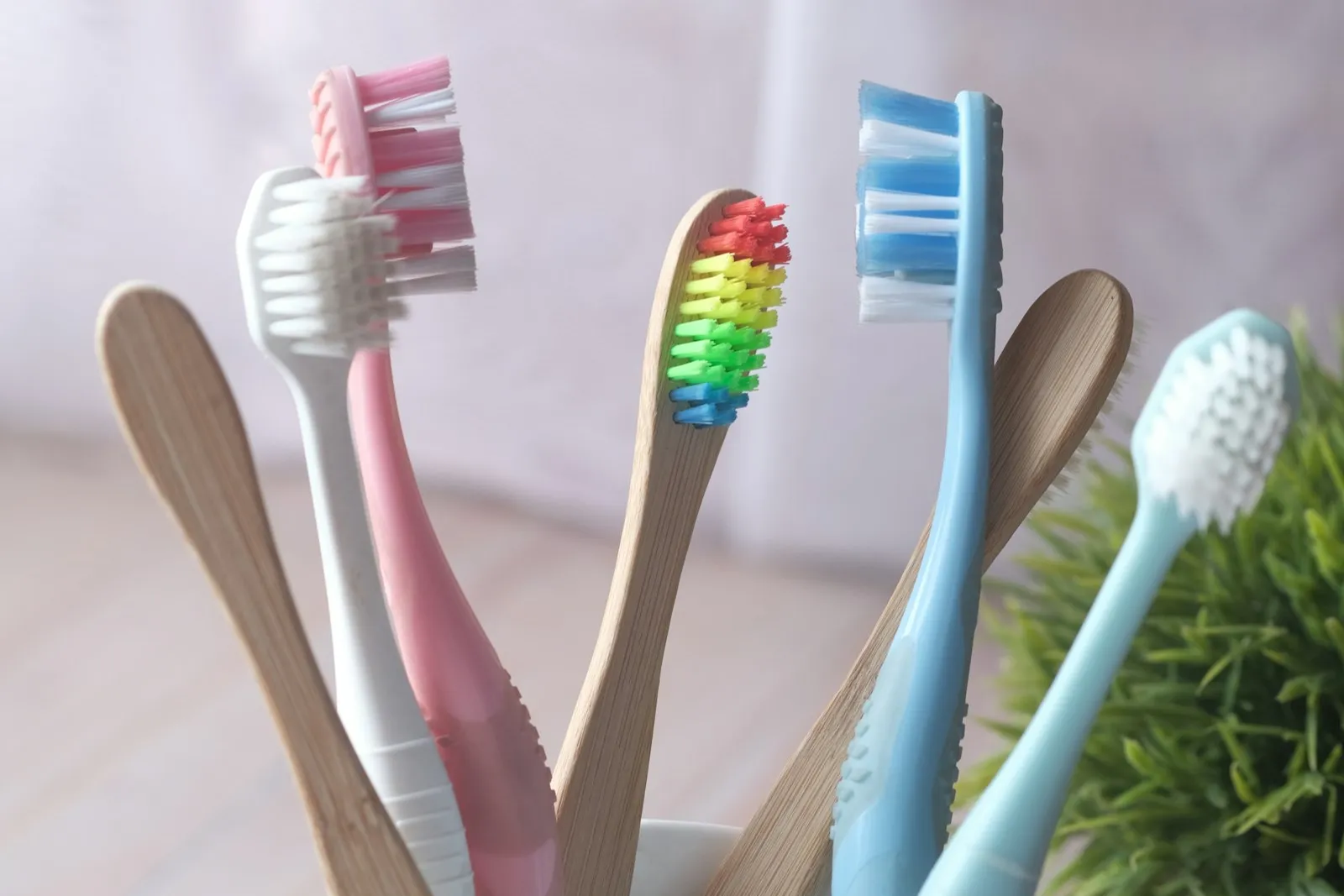
 Stock photo
See a dentist soon if your gums bleed often or for more than a week or two, look red or swollen, are pulling away from your teeth, or if a tooth feels loose, you notice pus, or your bite feels different. See a doctor or dentist right away for a sore in your mouth that hasn't healed in two weeks, or swelling in your face or jaw.
Why gums bleed
Most bleeding gums start with plaque, the sticky film of bacteria that builds up along the gumline every day. If it isn't cleaned away, the gums become inflamed. Dentists call this early stage gingivitis: the gums are red, puffy and bleed easily, but the bone that holds the teeth hasn't been damaged yet. With good daily care and a professional cleaning, gingivitis can often be reversed.
Left alone, it can progress to periodontitis, where the gums pull away from the teeth, pockets form, and the bone and tissue that hold teeth in place break down. That is a leading cause of tooth loss in older adults.
Why it's more common after 50
| Years of plaque | Gum disease usually develops slowly, so it shows up more often with age. |
|---|---|
| Medications | Many common medications can cause dry mouth, and less saliva means plaque builds up faster. Blood thinners can make gums bleed more easily. Never stop a medication on your own; ask your doctor or pharmacist. |
| Health conditions | Diabetes and gum disease are closely linked: high blood sugar makes gum infections more likely, and gum disease can make blood sugar harder to control. |
| Smoking | Smoking is one of the strongest risk factors for gum disease, and it can hide bleeding, so problems are found later. |
| Harder-to-clean teeth | Crowns, bridges, receding gums and arthritis in the hands all make thorough cleaning more difficult. |
Daily habits that help
- Brush twice a day for two minutesUse a soft-bristled brush and fluoride toothpaste, angled toward the gumline. Hard scrubbing irritates gums; gentle, thorough strokes work better. If your hands are stiff, an electric toothbrush or a brush with a wider handle helps.
- Clean between your teeth once a dayFloss, small interdental brushes or a water flosser all work. Bleeding often decreases within a couple of weeks of cleaning between the teeth every day.
- Keep your mouth moistSip water through the day, and ask your dentist about saliva substitutes or sugar-free gum if your mouth is often dry.
- Go easy on sugary snacks and drinksFrequent sipping and snacking keeps feeding the bacteria in plaque.
- Don't smokeQuitting at any age helps your gums. Free help is available at 1-800-QUIT-NOW.
- Keep regular dental visitsOnly a professional cleaning removes hardened plaque (tartar) below the gumline. Ask your dentist how often you should come in.
What about Medicare?
Original Medicare does not cover most routine dental care, such as cleanings and fillings. Many Medicare Advantage plans include some dental benefits, and some community health centers and dental schools offer lower-cost care. If cost has kept you from the dentist, those are good places to look.
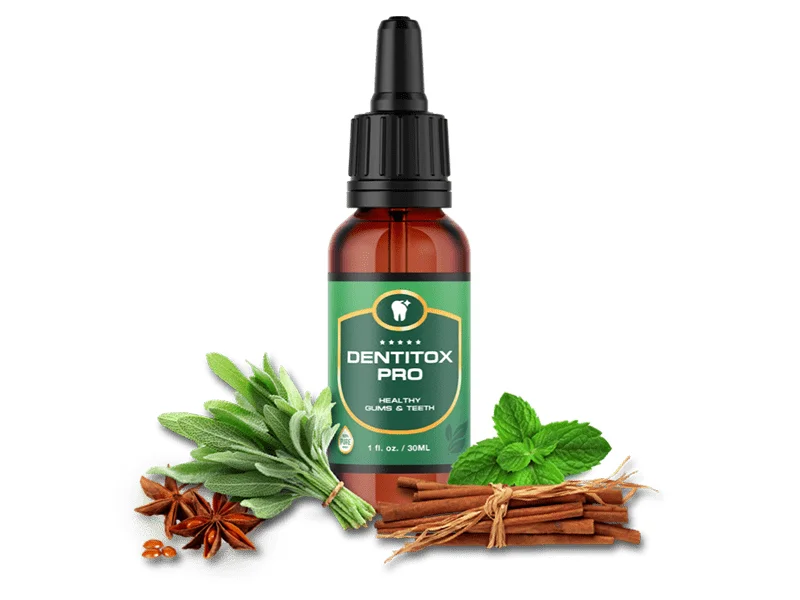
Advertisement
Dentitox Pro
A liquid dietary supplement, taken as drops, sold online in 1 fl oz (30 ml) bottles through ClickBank. The seller offers a 60-day refund policy; bottles must be shipped back, and return shipping is not covered.
We have not reviewed this product and make no claims about it. Product image provided by the seller. WellCraft 50 may earn a commission if you buy through this link. A supplement does not replace brushing, cleaning between your teeth or dental care.
The bottom line
Bleeding gums are common after 50, but they are a signal, not something to live with. Gentle brushing twice a day, cleaning between your teeth every day and a professional cleaning clear up early gum inflammation for many people. If the bleeding doesn't improve in a couple of weeks, or you notice any of the warning signs above, book a dental visit.
This article is for general education and is not medical or dental advice. Talk to your dentist or doctor about any new or changing symptoms.