 Stock photo
See a dentist for tooth pain, sensitivity that doesn't go away, a loose tooth, gums that bleed or recede, a broken filling, or dentures that rub or no longer fit. See a dentist or doctor promptly for any sore, white or red patch, or lump in your mouth that hasn't healed in two weeks.
What changes after 60
| Dry mouth | Saliva protects teeth. Many common medications reduce it, and a dry mouth raises the risk of cavities and gum problems. |
|---|---|
| Root cavities | When gums recede, the softer root surface is exposed and decays more easily than the crown of the tooth. |
| Older dental work | Fillings and crowns placed decades ago can crack or leak at the edges, where new decay starts. |
| Stiffer hands | Arthritis can make thorough brushing and flossing harder, so plaque gets left behind. |
Daily habits that protect your teeth
- Fluoride, twice a dayBrush for two minutes with fluoride toothpaste and a soft brush. Ask your dentist whether a prescription-strength fluoride toothpaste or varnish makes sense for you, especially if you have exposed roots.
- Clean between teeth dailyFloss holders, interdental brushes and water flossers are easier to use than plain floss if your hands are stiff.
- Make the brush easier to holdAn electric toothbrush, or a regular brush with its handle built up with a foam tube or a bicycle grip, helps with arthritis.
- Fight dry mouthSip water often, use sugar-free gum or lozenges, run a humidifier at night, and ask your doctor whether any of your medications could be adjusted.
- Watch the sipping and snackingIt's not only how much sugar, but how often. Sweet drinks sipped all day keep teeth under constant attack.
- Clean dentures and partials every dayBrush them with a denture cleaner (not regular toothpaste, which can scratch), take them out at night unless your dentist says otherwise, and still brush your gums and any natural teeth.
How often to see the dentist
Your dentist will suggest a schedule based on your mouth, often every 6 to 12 months, and more often if you have gum disease. Regular visits catch small problems, like a leaking filling or an early root cavity, while they are still easy and less expensive to fix. Bring a list of all your medications, including over-the-counter ones and supplements, because several affect your mouth.
Original Medicare does not cover most routine dental care. Many Medicare Advantage plans include some dental benefits, and dental schools and community health centers often offer lower-cost care.
Advertisement
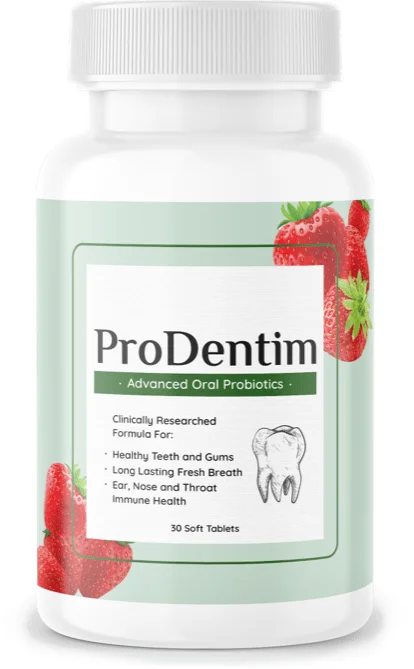
ProDentim
A chewable soft tablet sold online through ClickBank, 30 tablets per bottle. The seller offers a 60-day refund policy; bottles must be shipped back.
We have not reviewed this product and make no claims about it. Product image provided by the seller. WellCraft 50 may earn a commission if you buy through this link. A supplement does not replace brushing, cleaning between your teeth or dental care.
The bottom line
Keeping your own teeth after 60 comes down to fluoride twice a day, cleaning between your teeth every day, keeping your mouth moist and seeing your dentist on a regular schedule. Small adjustments, like an easier-to-hold brush or a water flosser, make those habits much easier to keep.
Gums bleeding when you brush? Read our guide to bleeding gums after 50.
This article is for general education and is not medical or dental advice. Talk to your dentist or doctor about any new or changing symptoms.